
Energy on Vejrø

Energy production from: December

  • Wind

    10.6 m/s

  • Sun

    Active 3.4 kW

  • Storage

    Battery 74%

  • Energy flow

    44,645 kWh

  • Imprint

    Fossil-free operation

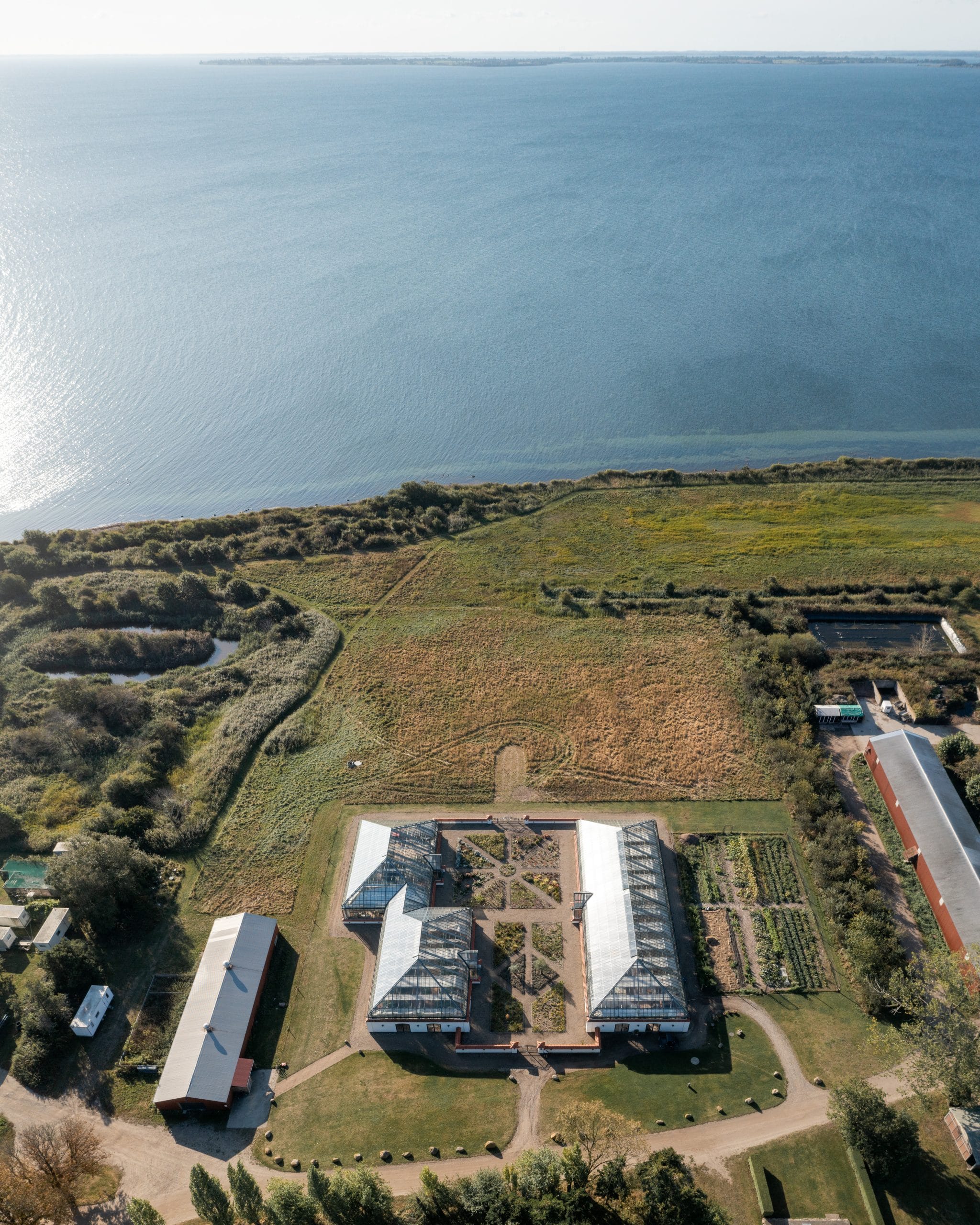
The island where nature, people, and visions meet

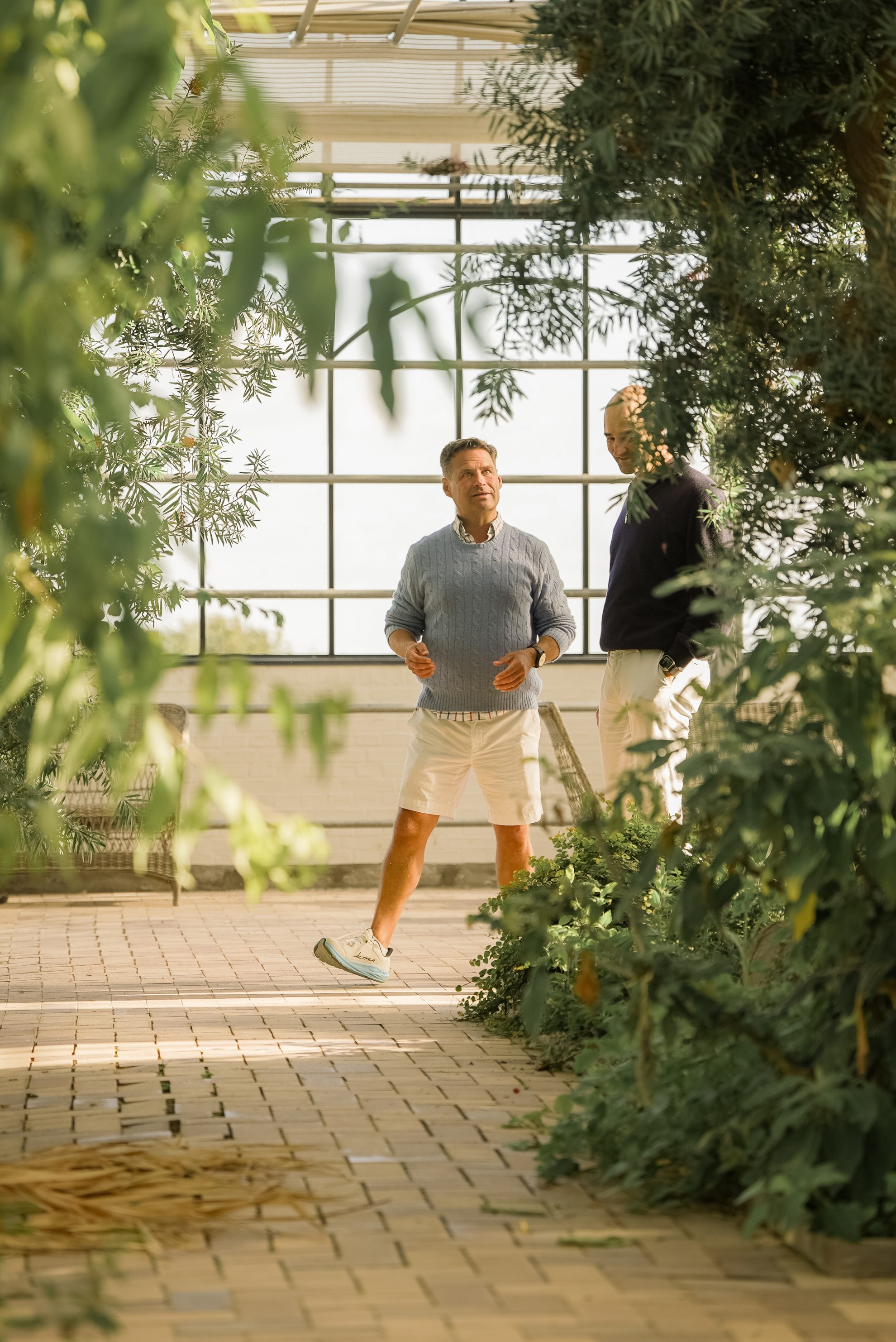
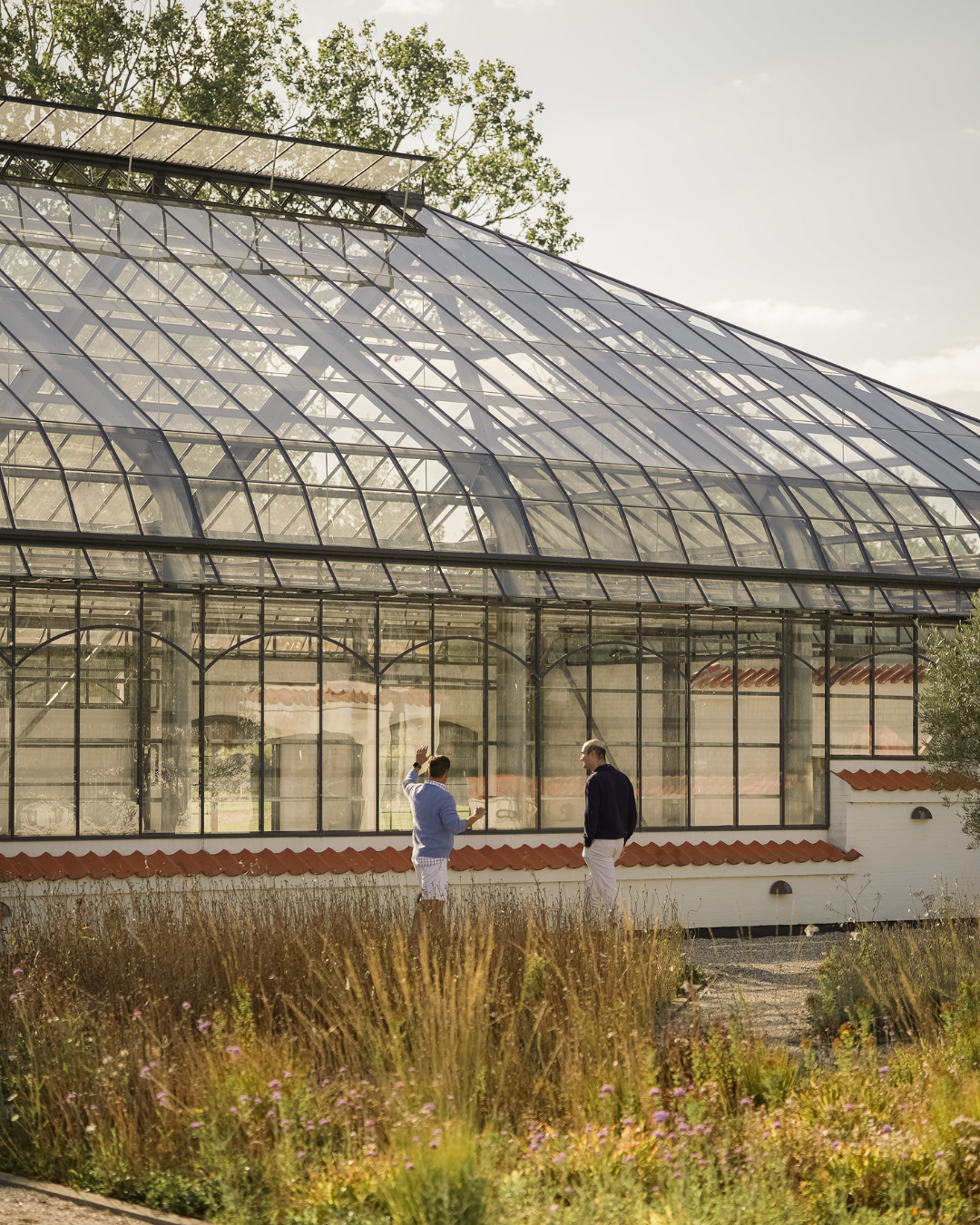
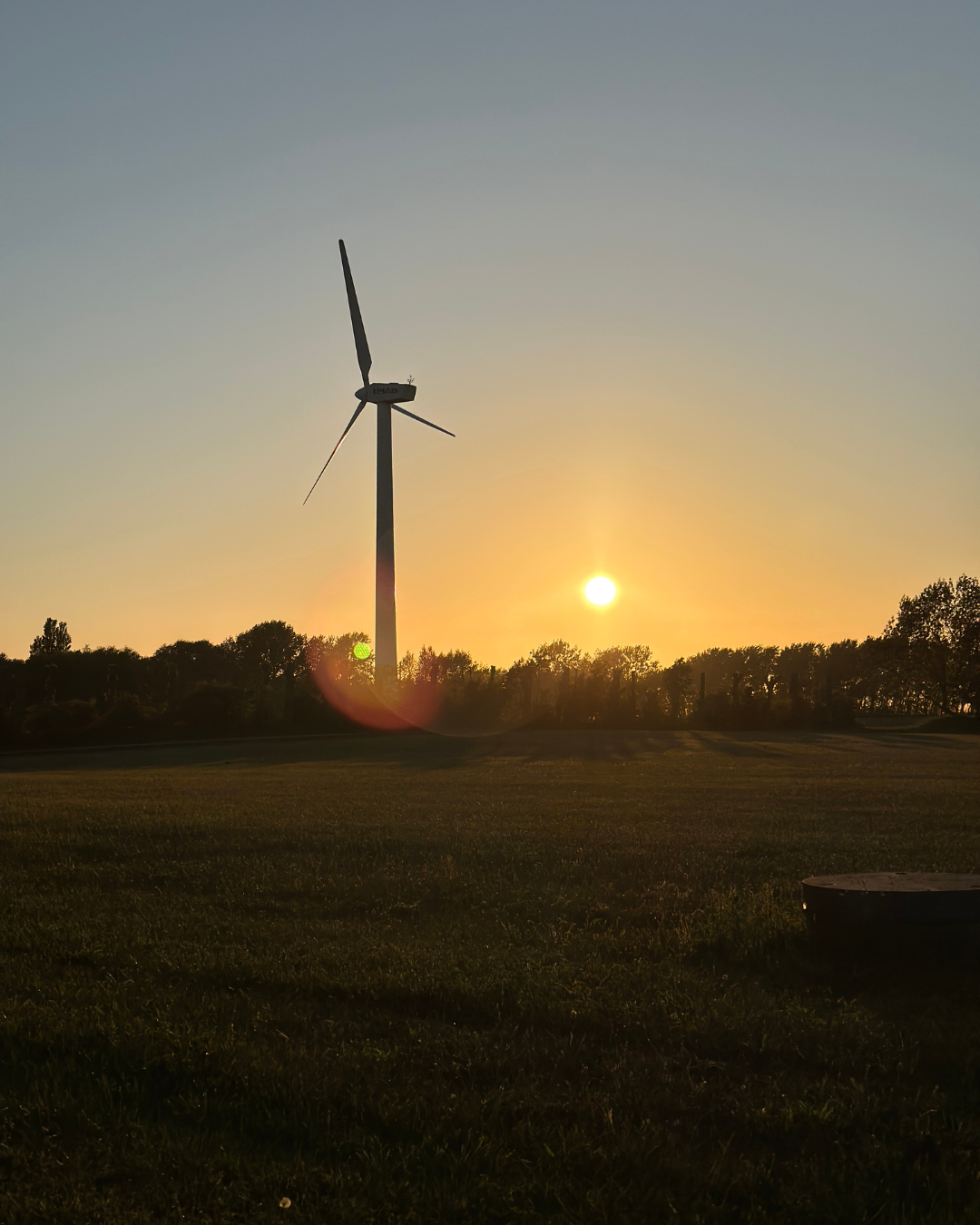
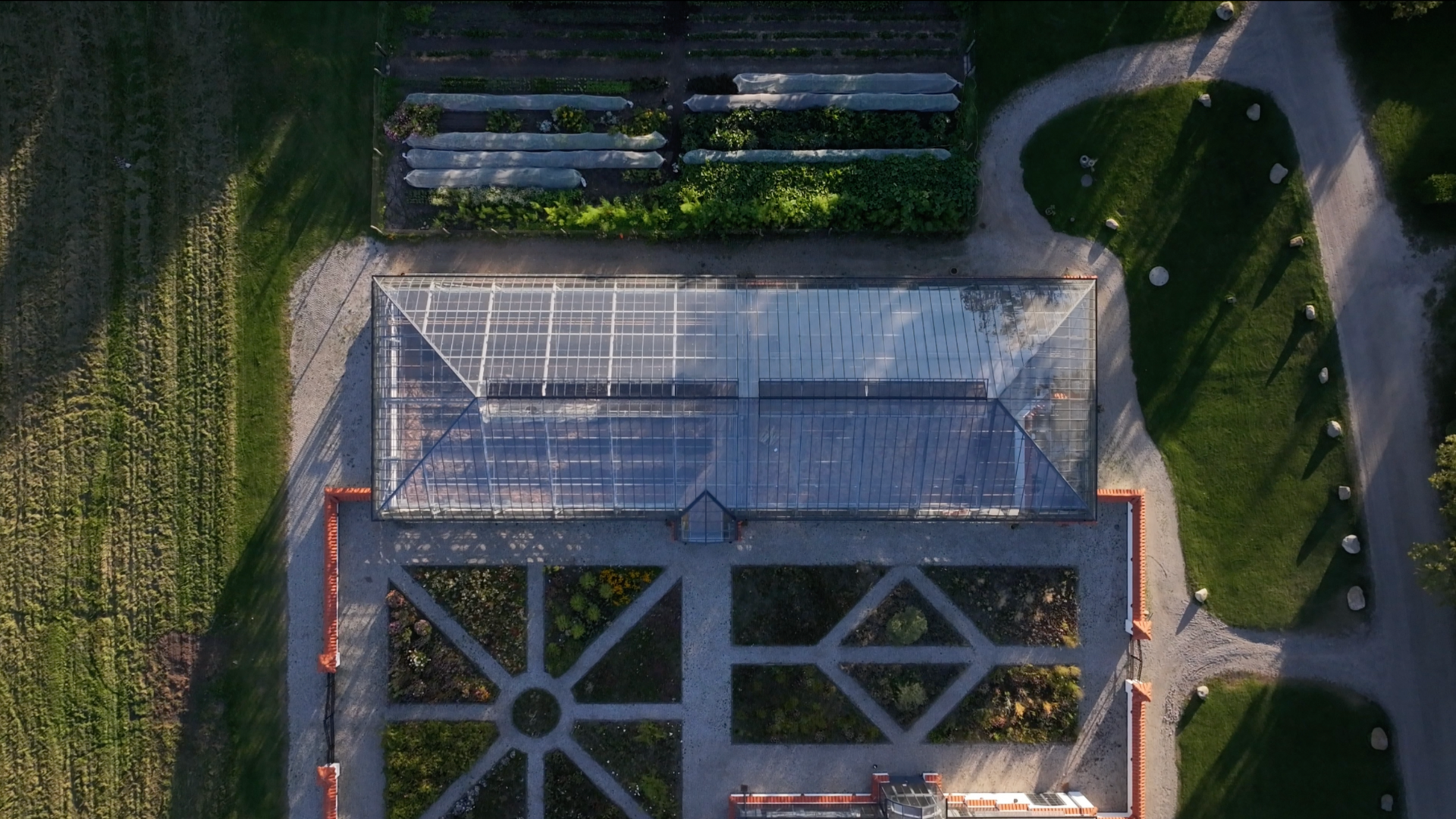
Imagine an island that is not connected to anything – powered only by what it creates itself. On Vejrø, electricity comes from the sun and wind, heat from the ground, and water is purified naturally. We have no connection to the mainland, and yet everything works. Not because we have to, but because we want to show what is possible when technology and nature work together.

Meet our little islanders

On Vejrø, we share our daily lives with a variety of animals that are as natural a part of the island's rhythm as the wind, the earth, and the sea around us.

  • The cows

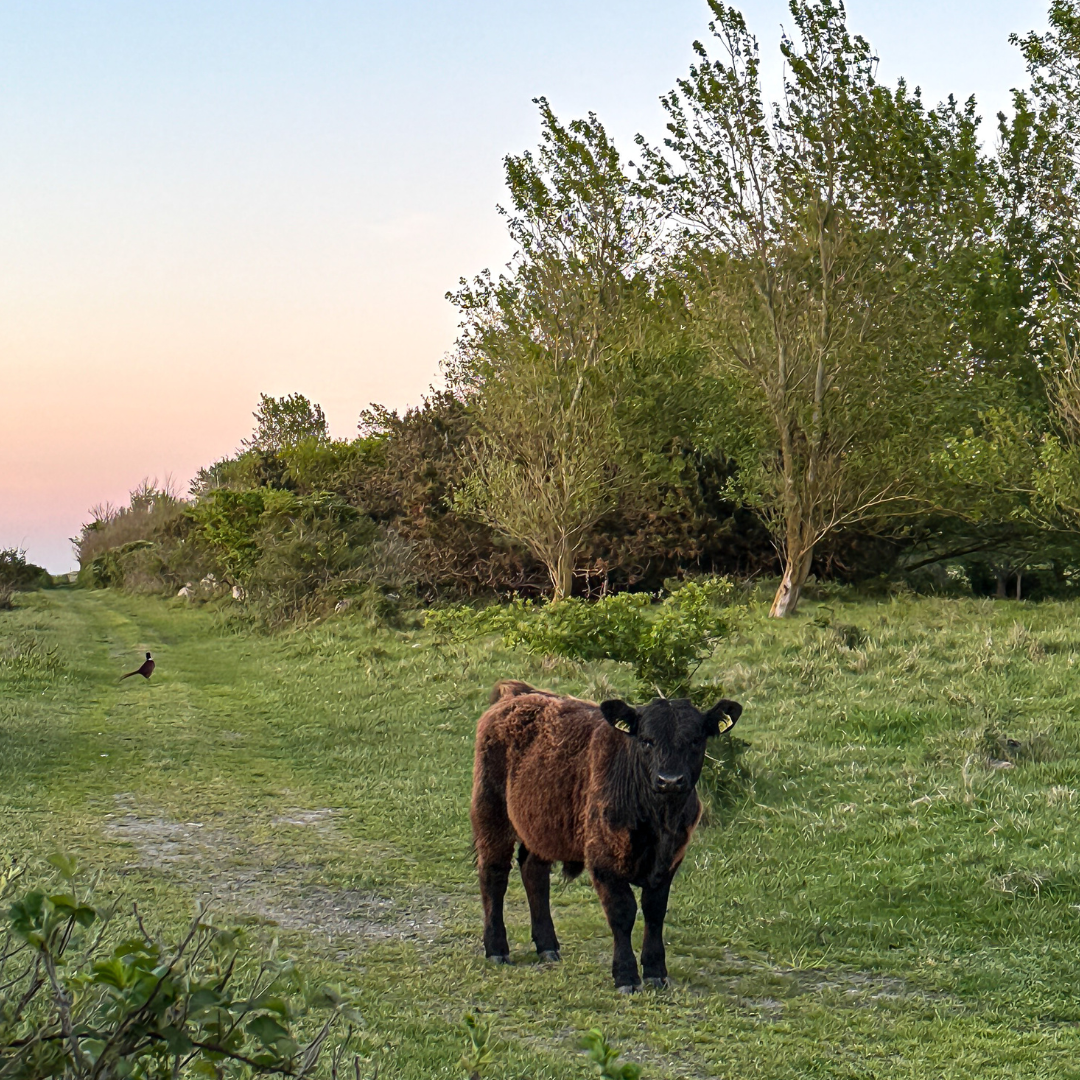
    Galloway

    In the fields, you will find nine cows, six heifers, and ten bull calves of the Galloway breed—one of only three hornless cattle breeds in the world. They graze year-round and are an important part of our regenerative agriculture, where they help to nurture the soil. The cows have such thick coats that they almost look like little bears in winter.

  • The chickens

    Isa Brown

    Our lovely Isa Brown hens provide fresh, tasty eggs every day – and there is almost nothing better than a perfectly soft-boiled egg for breakfast, laid that very same day. Our Isa Brown hens lay an average of 300 eggs per year! Our head chef Gabi is delighted about this, as eggs are a key ingredient in the kitchen.

  • The sheep

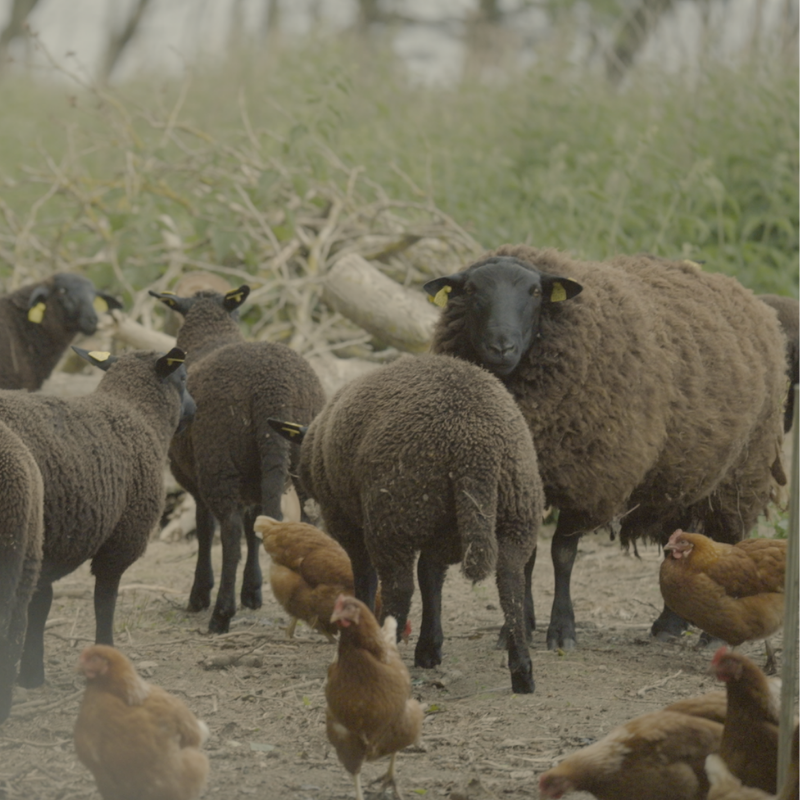
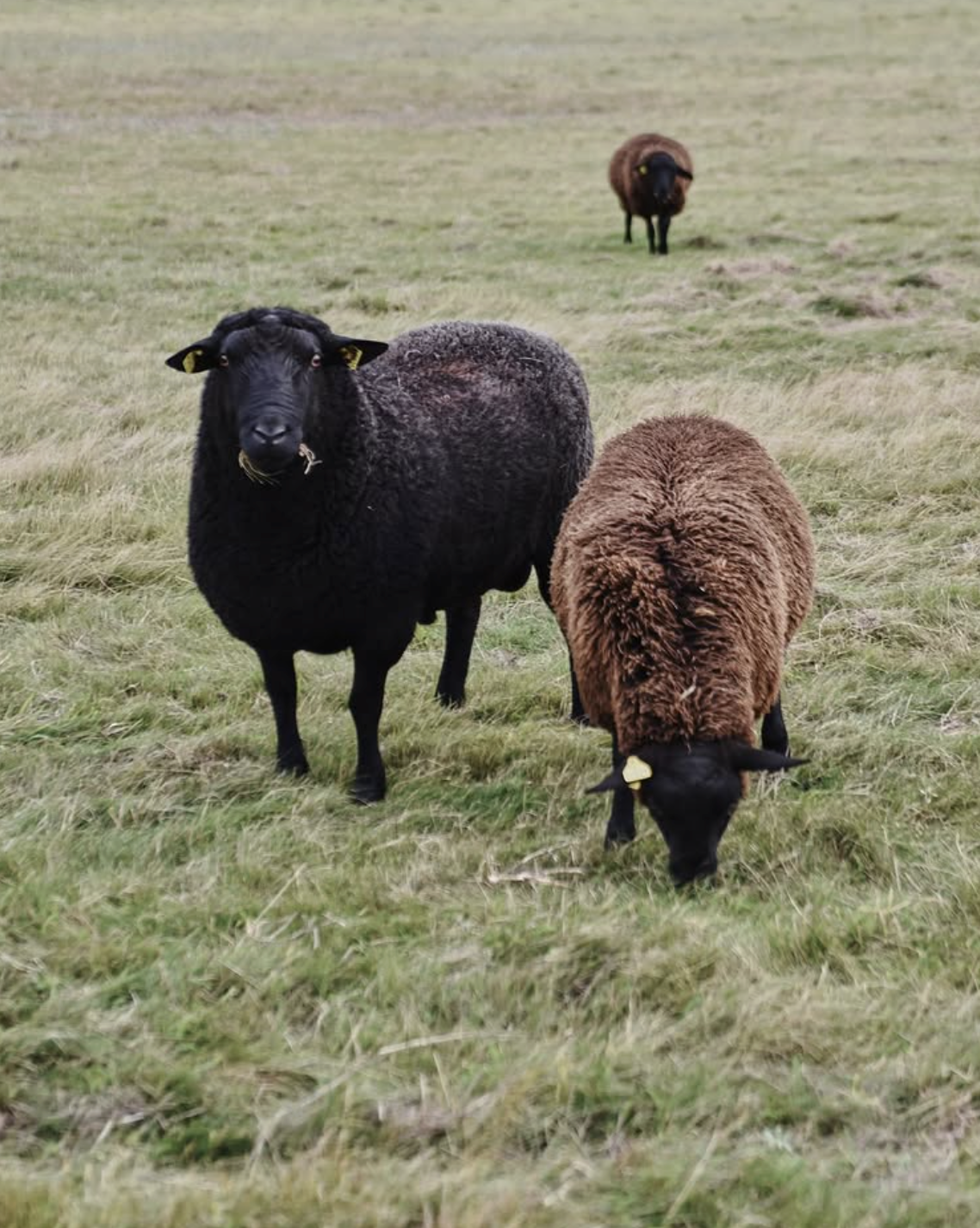
    Such

    Our flock consists of 27 sheep, 1 ram, and 2 small ram lambs. The sheep help keep the island's landscape naturally trimmed, and their calm presence creates a special atmosphere along the fields. Saanen sheep are a Danish breed known for their hardiness—perfect for Vejrö's wild nature.

  • The pigs

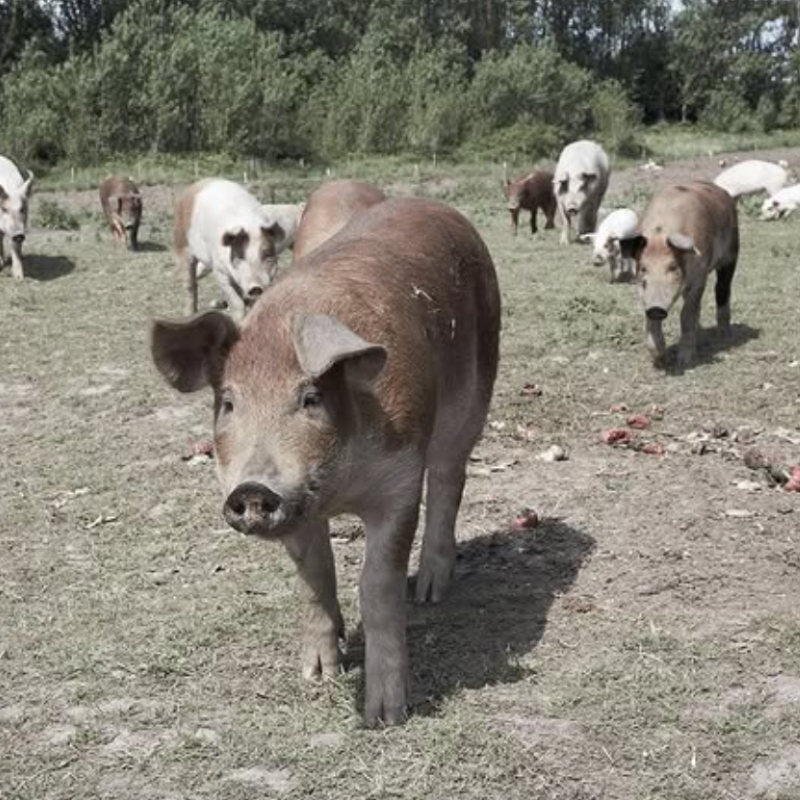
    Half Norwegian Landrace & half Duroc

    On Vejrø, we have eight curious and playful pigs who love to root around in the soil and enjoy the free island life. They contribute to natural soil cultivation, and their good mood is always contagious when you walk past the pen. Our pigs love to be scratched behind the ears!

Our heart and hands

Behind every initiative are people who work every day to bring the vision to life—side by side with the animals that are a natural part of the island's rhythm. Here you can meet those who, with their hearts and hands, show that the future can be responsible and self-sufficient.

A small island with a big story

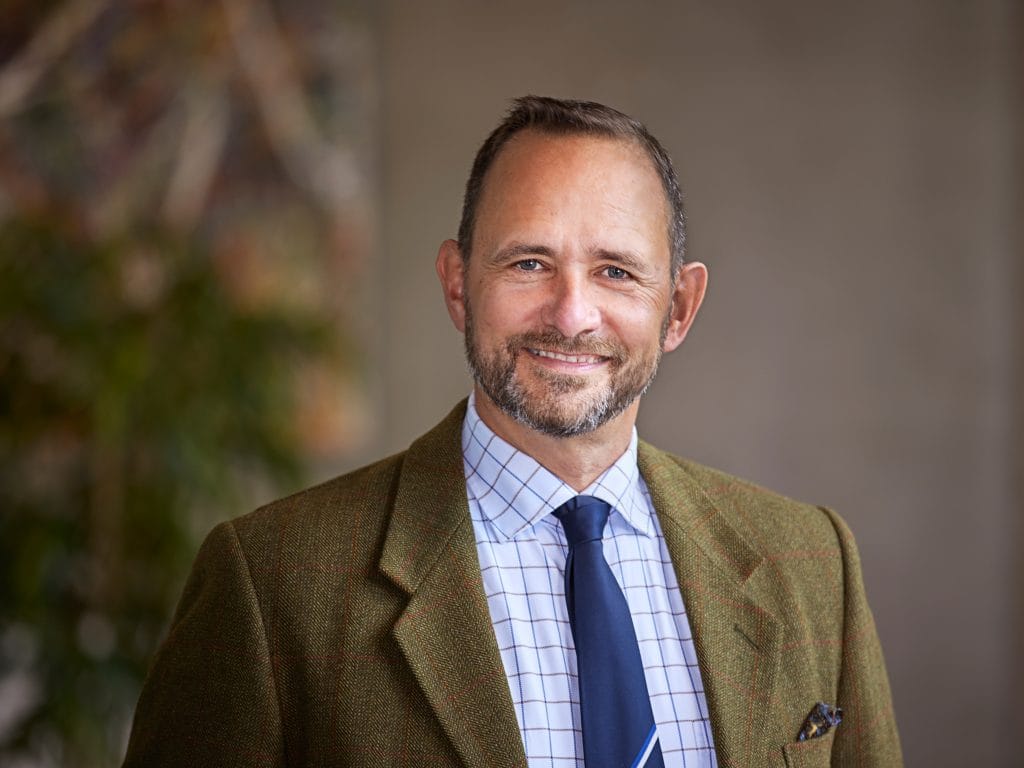
With roots dating back to the time of Valdemar Sejr and purchased by Kim Fournais in 2005, Vejrø today is a modern, self-sufficient oasis of regenerative agriculture, luxury accommodation, gastronomy and green technology - created to inspire, connect and provide peace.

  • 13th century

    The history of Vejrø can be traced back to the Stone Age. The first known owner of the island appears in the annals in the 13th century. It was none other than King Valdemar II, better known as Valdemar the Victorious - the king who, with God's help, brought the Dannebrog home from Estonia. After the great king's death, Vejrø was owned by a number of other kings and later counts.

  • 1231

    Vejrø appears in Valdemar Sejr's Jordebog. Here, the island is listed as a royal hunting ground with "Hus", i.e. hunting house. It doesn't seem very likely that Valdemar - or, for that matter, subsequent kings - practiced the royal sport on Vejrø, but the entry in the Jordebok at least indicates that Vejrø was royal property.

    Source: Claus Gress, "A Vejrø visit", October 14, 2006

  • 1400

    In the 15th century, the island was a notorious pirate shelter - at a time when piracy was an almost common profession

    Source: Peter Hermanson, Folketidende, July 5, 2004, p.17

  • The end of the 18th century

    In the late 18th and early 19th centuries, Vejrø probably had its first permanent residents in the late 18th and early 19th centuries, in accordance with society's laws and natural conditions.
    Interestingly, these people did not come from Lolland or the other islands in the Småland waters, but from Ærø and Langeland - it was the Klausen family who immigrated from Langeland.
    Vejrø welcomed the new residents with a huge task. The island has been overgrown, and everywhere the ground has been strewn with stones of all sizes - both on the surface and immediately below.

    Source: Claus Gress, "Et Vejrø besøg", October 14, 2006 / Poul Henrik Harritz, De Danske Øer

  • 1830

    An elderly man over 60 years old and of good family chose to settle on Vejrø. He bought the island's largest farm on April 17, 1830 at a forced auction for 1,010 rigsdaler and decided to tear it down to build a new and impressive four-winged farmstead just southwest of what was known as the town.
    The man's name was Andreas Christian Kastrup and he bore the distinguished title of "His Royal Majesty's Real War Assessor", presumably a lawyer who was part of a court martial.
    He had come from Langeland, where his family had real estate, and when his project on Vejrø came to fruition, he borrowed money from his brothers to import building materials from his home region. From this, the impressive farmhouse was built and stood as the pride of the island for several generations.
    In 1840, War Assessor Kastrup left for the eternal battlefields, and several children from the island bore his family name in the time that followed.

    Source: Claus Gress, "A Vejrø visit", October 14, 2006

  • 1846

    The beautiful hexagonal white lighthouse dates back to 1846 and replaced a coal lighthouse that was only lit by residents when they could see ships passing through the waters. It was automated in the 1970s and in 1977 the lighthouse keeper's widow left the lighthouse houses, which had previously been home to three families. The lighthouse is an angled beacon, with different colored glass to signal if the course is correct.

    Source: Poul Henrik Harritz, The Danish Islands

  • 1883

    In 1883, a school was established with the first headmistress, Oline Bendix. The school had classes up to 7th grade with varying numbers of children. The school closed in 1966 due to too few children, with Mrs. Hansen as the final headmistress. However, the school was just in time to see electric lights installed so that students could see in the dark.
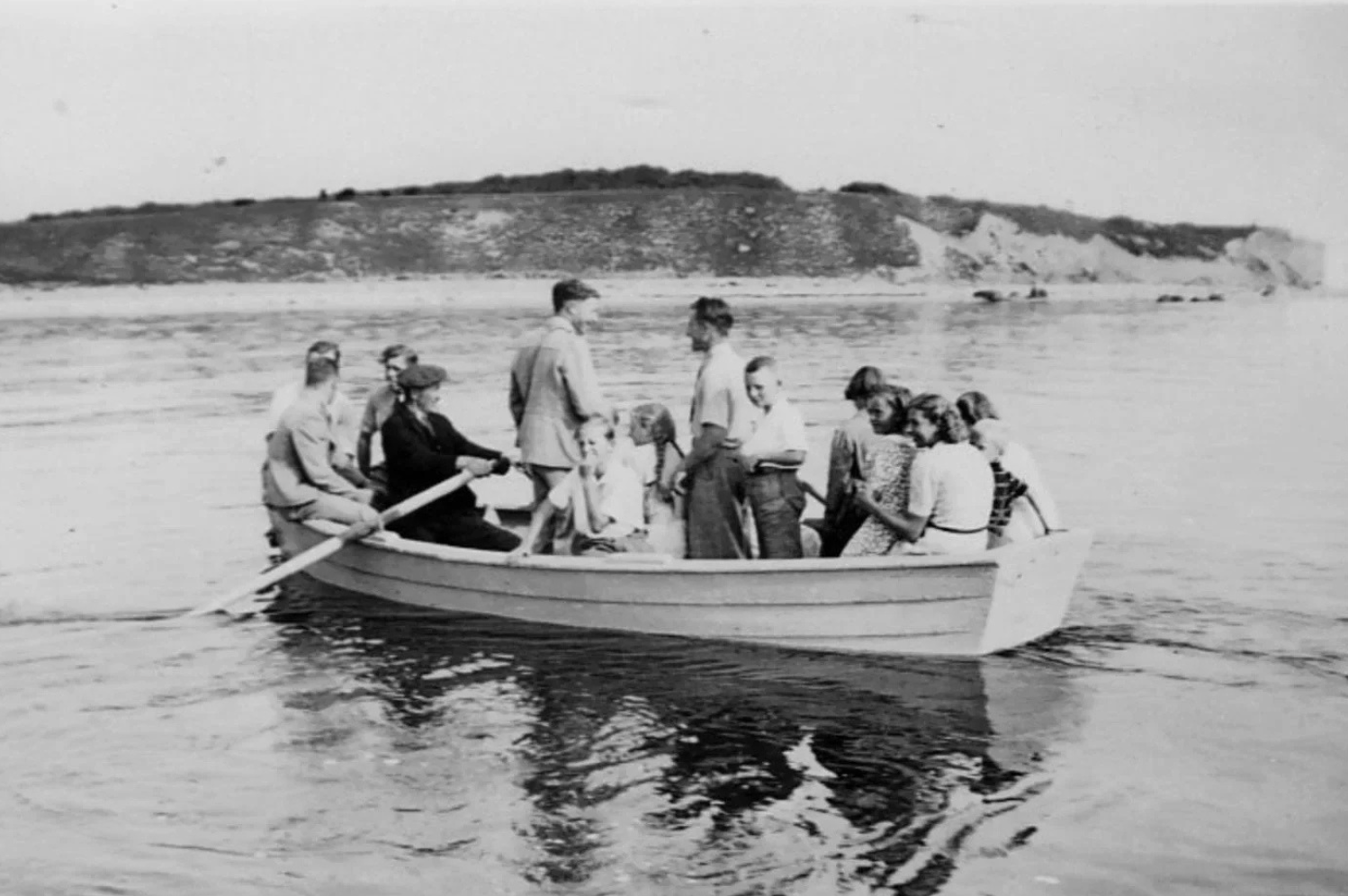
    When the school closed in 1966, the residents still did not have the means to build a church, but devotions in the school hall, led by the Fejø priest, were acceptable, and confirmation preparations were also carried out - albeit under peculiar circumstances. The local teacher was probably in charge of religious education, but they had to go to the priest anyway. The children therefore had to row the long way from Vejrø to Fejø.

    Source: Claus Gress, "A Vejrø visit", October 14, 2006

  • The end of the 1800s

    The cemetery on Vejrø was built in the late 1800s by the residents of Vejrø themselves. Due to depopulation in the 1960s, the remaining residents chose to transfer the cemetery to the Fejø parish council in exchange for the parish council making a trip to Vejrø once a year to maintain the cemetery. However, it was officially closed on July 15, 1983. Fejø Parish Council still maintains the cemetery to this day, but it is considered an island cemetery, which means that it does not have to be maintained like other cemeteries - but also that it cannot be closed down or removed.

    Source: Peter Hermanson, Folketidende, July 5, 2004, p.17

  • 1909

    By 1909, the island community was clearly developing, with a school, cemetery, lighthouse and the latest addition: a cooperative dairy.

    Source: Claus Gress, "A Vejrø visit", October 14, 2006

  • 1918

    Ejner was only 11 months old when his parents bought Blæsenborg in 1918.
    Ejner was the youngest of 4 children and was the only one who wanted to stay on Vejrø. That's why he took over Blæsenborg from his father.
    The 76 acres of land, along with cows and horses, became a source of income that made it possible for Ejner and Astrid to live on Vejrø.
    Ejner and Astrid had 13 dairy cows, which produced a lot of milk that couldn't be brought from the island - so they used it to fatten calves. They fermented the cream, and then Astrid made butter. 14 pounds she sometimes churned.
    Every day while they lived on Vejrø, there was a mail boat that also brought supplies to the island. But when winter set in, the ice took hold of the island and completely isolated the residents from the outside world! You'd think this would get the residents running around screaming - but on the contrary, they were having a great time.
    "We had such lovely parties," Astrid remembers. "We had many, and they lasted several days."

    Source: Erik Jørgensen, "De fandt deres tabte paradis i ruiner", B.T.

  • 1920

    The Klausen family lives on the oldest farm, Nygaard. Well over half of the graves in the small cemetery have stones bearing the name "Klausen".
    In addition to Nygaard, owned by Morten Klausen, there are three other farms on the island:
    "Jacobsminde", owned by Birger Jønsson,
    "Blæsenborg", owned by Amandus Madsen,
    "Lundegaard", owned by Niels Iversen.
    In addition, there are some smaller houses, as well as school and lighthouse staff housing.
    In total, 14 families with around 50 family members live on the island. Just a few years ago, the number was 80, but the island is slowly depopulating.
    There is not enough money to keep foreign help - and it is hard to get. The island lacks a community center, a cinema and a village.

    Source: Erik Jørgensen, "Indtryk fra Vejrø, hvor tiden staar stille", Wednesday, June 14, 1939

  • 1939

    Valdemar Nielsen is one of the hard men on Vejrø. He is paid by the postal service and is the only link the 14 families on Vejrø have to the outside world.
    If a resident falls ill, they have to use the merchant's telephone, which is shared with the lighthouse, and call Maribo for an ambulance or Fejø for a doctor.

    Source: Erik Jørgensen, "Indtryk fra Vejrø, hvor tiden staar stille", Wednesday, June 14, 1939

  • 1946

    In 1946, there were 14 families living around Vejrø. Among them was a four-long farm called 'Valodia'. People on the island laughed at the owner for buying a farm on a small island. After he had renovated the farm and made it nice, he named it Valodia (what were they laughing at).

    Source: Johnny Paaske

  • 1960

    Nygaard was taken over by tobacco manufacturer E. Nobel from Nykøbing Falster. He owned the entire island and sold it in the 1970s to a contractor who built the large marina where a small bridge used to be one of the islanders' options for dry landings.

    Source: Poul Henrik Harritz, The Danish Islands

  • 1966

    The grocery store, telegraph, dairy and school were closed as there were only 2 children left.

    Source: Erik Jørgensen, "Indtryk fra Vejrø, hvor tiden staar stille", Wednesday, June 14, 1939

  • 1979

    The last lighthouse keeper left Vejrø.

    Source: Søren Jensen, "Vejrø-projektet", December 4, 2005

  • 1980

    Nygaard's four timber-framed buildings burn to the ground.
    When Nygaard burned down, Vejrø was visited by 25 hunting guests. Most of them had already gone to bed, but 4-5 of them sat back and had a game of cards. Suddenly, one of them noticed a flickering light in a window facing the courtyard. Those present went to the window to see what was going on, and they immediately noticed that there was a fierce fire in the opposite wing, where there was a tool room, garage, etc.
    Those present immediately ran around to the many rooms in the courtyard and got the sleeping guests up, and one of those present timed the development of the fire while trying to save what could be saved. It took 25 minutes before the roof of all four wings was gone and the ceilings on the ground floor had burned through. When the fire brigade arrived at Vejrø, three hours after the fire alarm had been raised, all that was left was a smoking ruin.
    Either there was a short circuit in the electrical installations in that part of the yard, or flakes from an overheated fireplace chimney had broken loose and flown onto the roof.

    Source: Poul Henrik Harritz, De Danske Øer / "Hovedparten af gæsterne lå i sengen da "Nygård" på Vejrø stod i lys lue", Folketidende, December 8, 1980

  • 1983

    The island changed owner again. A young farmer from the Rødby area. He and his wife wanted to explore the island's potential and the peculiar difficulties it presented.
    After a while, his wife gave birth to a child. As the child needed to be seen by a nurse and the local municipality was not prepared to send an employee all the way to Vejrø, the farmer's wife had to move to the mainland. This created a situation that was not the best conditions for a young couple with a demanding everyday life - and Vejrø was soon to have a new owner.

    Source: Søren Jensen, "Vejrø-projektet", December 4, 2005

  • 2005

    Kim Fournais buys Vejrø with the goal of revitalizing Vejrø as a modern, self-sufficient and sustainable oasis. Since then, massive investments have been made in nature conservation, regenerative agriculture, energy systems and luxurious facilities.
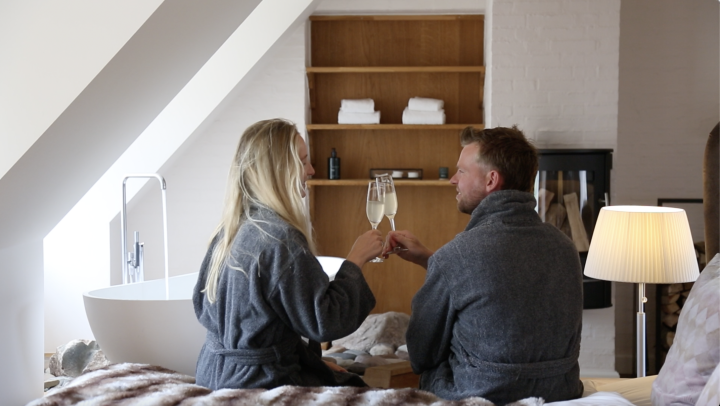
    Today, the island is run as an exclusive destination with a focus on nature, gastronomy, hunting and experiences - all in interaction with sustainable principles. Vejrø has also become a case for green energy, and the future looks like an island in transition - with respect for history and a focus on innovation, community and regenerative living.